The cavernous halls of McCormick Place in Chicago played host to ProMat 2025, a sprawling testament to the relentless innovation shaping the future of manufacturing and supply chain. This year’s exhibition, held from March 17th to 20th, resonated with a palpable urgency, driven by a challenge that casts a long shadow over the industry: the persistent and intensifying labor shortage in warehousing and logistics. While ProMat has always been a showcase of cutting-edge technology, the 2025 edition felt particularly focused on solutions designed to alleviate the strain on human capital, with robotics taking center stage as a powerful and increasingly viable answer.
The warehousing and logistics sector has been grappling with a growing labor crisis for years, a situation exacerbated by factors ranging from an aging workforce and demanding physical labor to increased e-commerce volumes and evolving worker expectations. High turnover rates, recruitment difficulties, and the sheer volume of work required to keep supply chains flowing have created a critical need for automation. ProMat 2025 served as a crucial platform for businesses seeking tangible solutions to this pressing issue, and the sheer number and sophistication of robotic offerings were a clear indication of the industry’s direction.
The Rise of Warehouse Robotics: A Multifaceted ApproachRobotics in the warehouse is no longer a futuristic concept; it is a rapidly evolving reality, offering a spectrum of solutions tailored to various operational needs. ProMat 2025 provided a comprehensive overview of the current state-of-the-art, highlighting several key areas where robotics is making significant inroads in addressing labor challenges:
Dense Storage Solutions: Maximizing Space and Automation
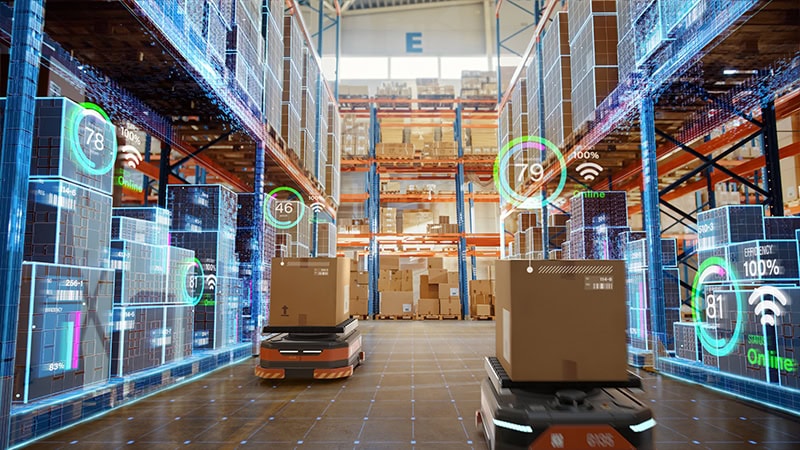
With warehouse space at a premium and the need for efficient storage increasing, dense storage solutions integrated with robotics are gaining significant traction. Robotic Automated Storage and Retrieval Systems (AS/RS) were prominently featured, demonstrating their ability to maximize storage density while automating the putaway and retrieval of goods. These systems, often utilizing vertical space and intricate robotic movements, reduce the need for extensive aisle space and manual picking, thereby minimizing labor requirements and increasing throughput. The integration of sophisticated software allows for optimized storage strategies and faster order fulfillment, directly addressing the need for efficiency in the face of labor constraints.
Autonomous Mobile Robotics (AMRs): Intelligent Movement and Task Execution
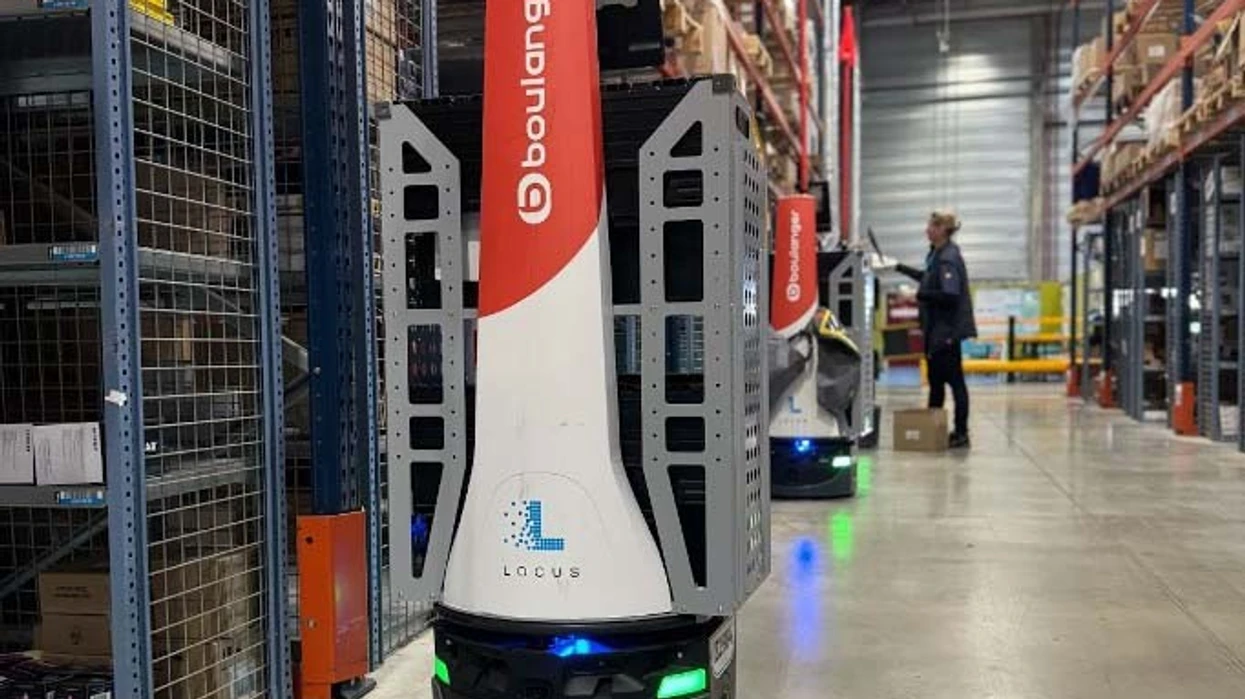
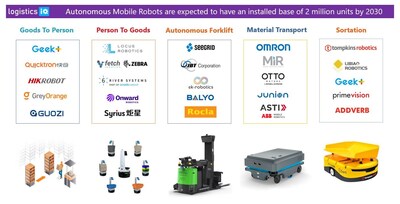
Autonomous Mobile Robots (AMRs) have emerged as a versatile solution for a wide range of warehouse tasks. Unlike traditional Automated Guided Vehicles (AGVs) that rely on fixed pathways, AMRs utilize advanced sensors, cameras, and mapping software to navigate autonomously around obstacles and optimize routes in dynamic warehouse environments. ProMat 2025 showcased AMRs performing tasks such as goods-to-person picking, transporting materials, and even assisting with pallet movement. Their flexibility and ability to adapt to changing layouts and tasks make them a powerful tool for augmenting human labor and improving overall efficiency. By taking over repetitive and physically demanding transportation tasks, AMRs free up human workers for more complex and value-added activities.


 Editor